White rooster
waits beneath roots,
only roosters here,
no hens anywhere.

New Smyrna Beach, Florida

A collection of photos and poems interacting with each other in ways both mysterious and obvious.
White rooster
waits beneath roots,
only roosters here,
no hens anywhere.
New Smyrna Beach, Florida
three pumps
still there
red
yellow
white
doors shut
gasoline
days done
power lines
slash across
cloud-strewn sky
the shell
suggesting
gasoline
nothing moving
only
the quiet
of something
that used to
happen
here
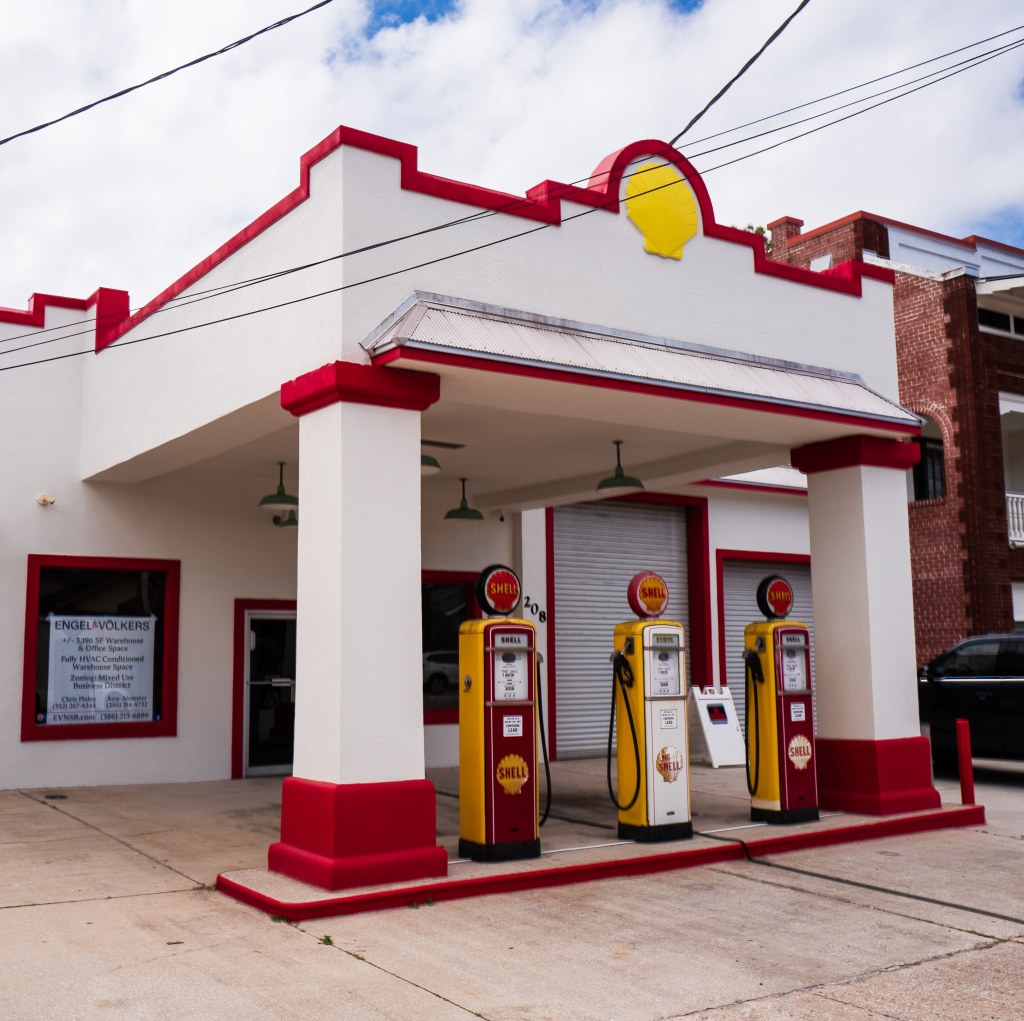
New Smyrna Beach, Florida


hazy morning
sand lifted
into a small dune
a blue
tricycle
one wheel
turned
toward
the ocean
we cannot see
yellow
tower
red
pavilion
nothing moving
the beach
holding
its breath

New Smyrna Beach, Florida


I came,
I saw,
I was conquered.
The world
incomparably richer
than anything I had been taught.
Africa does not exist —
only poverty,
only dignity,
only abandonment,
only endurance.
The malaria mosquito
decided history.
The desert
teaches humility.
Independence brought
responsibility.
Colonialism left behind
borders,
habits of thought,
fear
that travels faster
than wind.
A crowd
is a separate being.
The traveler
discovers himself
only when he loses his way.
Time
has a different density.
The problem is not only poverty,
but the absence of choice.
The reporter
must be quiet enough
to hear
what is not being said.
The world
is not a rational place.
The greater the poverty,
the greater the need
for dignity.
Patience
is a form of intelligence.
I came.
I saw.
I was conquered.
These words and phrases were gathered from the Polish writer and journalist Kapuściński’s The Shadow of the Sun, a collection of journalistic accounts and essays during his travels in Africa.

Hohoe, VR, Ghana
Anybody can play. The note is only 20 percent. The attitude of the motherfucker who plays it is 80 percent. -Miles Davis
This series of photos, which I call Riffs, resonates like modern jazz. Since I’ve been in Florida, I’ve made it a mindfulness practice to carry my camera or phone and wait for a photo to come to me. I’m not hunting. I’m listening.
I’m listening, with my intuition, through my eyes, awake for something subtle — a shift in light, a tension in a line, a mood that hovers just beneath the surface. It’s like having music in my mind, but instead of playing an instrument I’m using a camera. The frame becomes the measure. Light becomes tone. Angles become rhythm.
I’m not interested in representing the thing itself. A palm isn’t about botany. A street isn’t about traffic. A building isn’t about architecture. A shoreline isn’t about geography. I want the image to act like a riff — structured but loose, slightly bent, unfinished on purpose. Something that lingers, hums, and leaves a little space for the viewer to improvise.


I’ve never trusted the loud surface of things,
the noise beyond the headlines
hijacking my attention.
I turn instead toward the weather inside the weather,
light breaking out of its own shadow,
a chord held longer than it should be,
almost refusing to resolve.
I wait for the hush after the ferry horn
when the harbor keeps breathing anyway.
Kapuśińki walking through Accra dust —
not filing copy, listening.
Noir light slipping through blinds,
everybody marked, nobody simple.
Deep thinking feels like this palm at night —
fronds flaring out of blackness,
structure rising from dark without announcement.
At this age I resist the easy answer.
I grow outward into depth.
Ambition has fallen away.
What remains is home.

St. Simons Island, Georgia
Light names one side.
Shadow names the other.
The corner offers no opinion.
At the line—
no ground given.
What seems to separate
holds.
What seems to block
shows.
Before meaning arrives
blue is already unbroken.

Pooler, Georgia
 Boho Dreams of Space and Time